


Home Appliance Repair
Commercial Appliance Repair vs Residential: Key Differences Explained

Jun
When an appliance breaks down in a commercial setting, the stakes are far higher than a household inconvenience. Understanding the distinction between commercial and residential appliance repair helps businesses make informed decisions and avoid costly mistakes. Whether you operate a café, a hotel, or a laundromat in Singapore, knowing when to call on dedicated appliance repair experts can protect your operations and your bottom line.
What Is Commercial Appliance Repair?
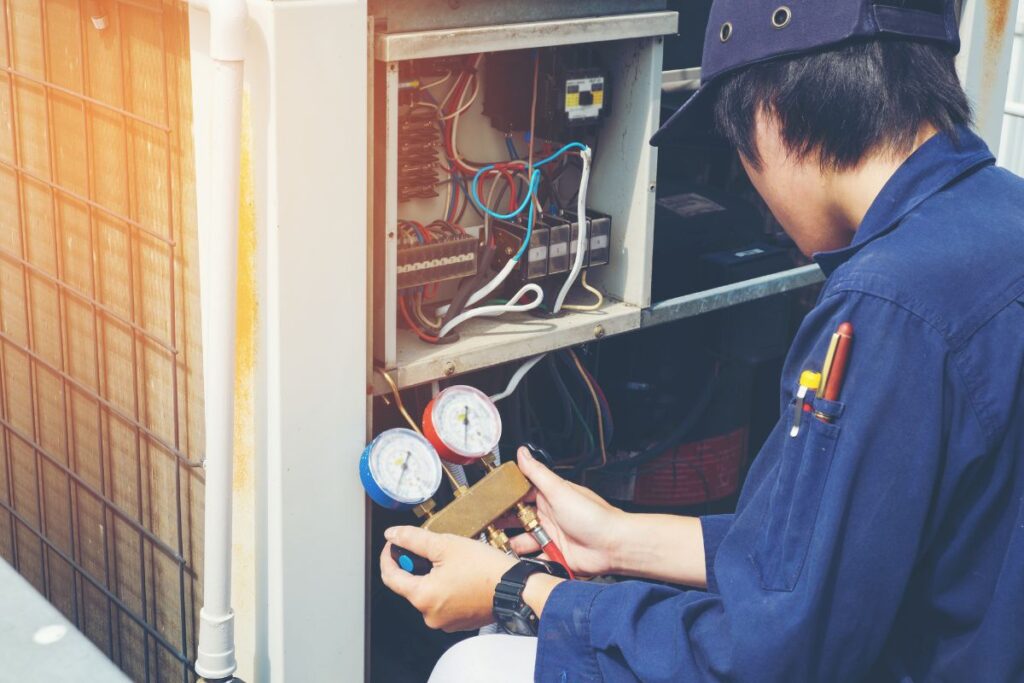
Commercial appliance repair refers to the servicing and maintenance of heavy-duty equipment used in business environments. This includes appliances found in food and beverage (F&B) outlets, hospitality establishments, laundromats, and corporate facilities.
These appliances are built for continuous, high-capacity use across long operating hours. Because of their scale and complexity, they require technicians with specialised training and access to industry-grade tools and components.
What Is Residential Appliance Repair?
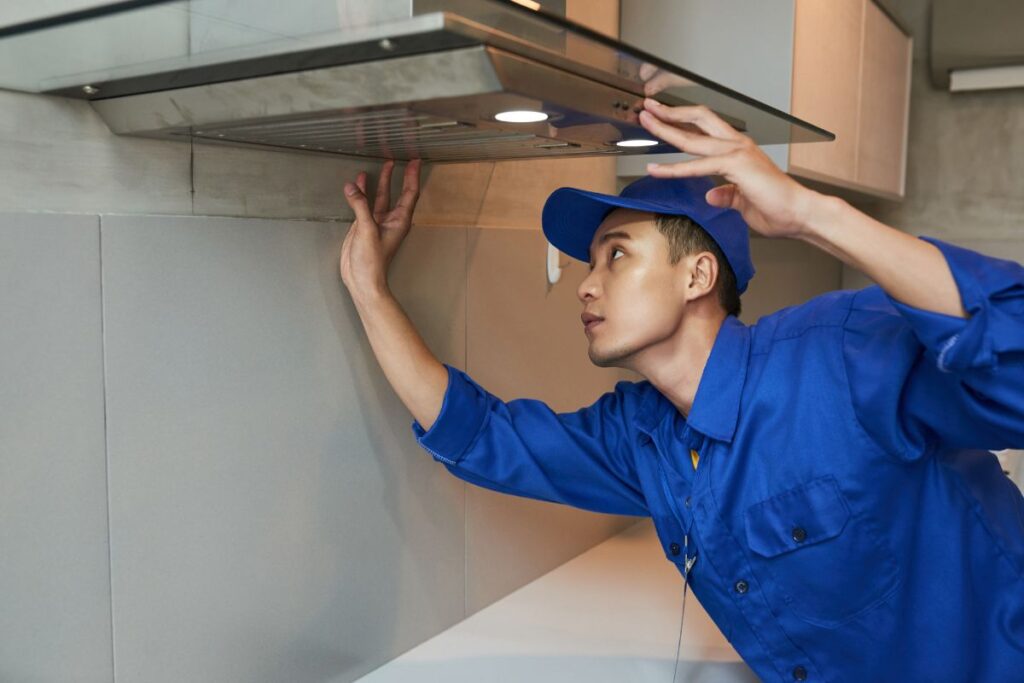
Residential appliance repair covers household equipment such as washing machines, dryers, refrigerators, and home coffee machines. These appliances are designed for lighter, intermittent use by individual households or small families.
The scope of repair is generally more straightforward, with standardised parts and lower performance demands. Most residential appliances follow similar design principles, making them easier to diagnose and service.
Key Differences Between Commercial and Residential Repairs
Usage Intensity and Wear
Commercial appliances operate for significantly longer hours than residential ones, often running 10 to 16 hours a day, seven days a week. This level of usage accelerates wear on motors, heating elements, and mechanical components, meaning servicing intervals must be more frequent to prevent unexpected breakdowns.
Complexity of Equipment
Commercial appliances are engineered with more sophisticated systems to handle higher output volumes. Components such as industrial pumps, multi-phase electrical systems, and heavy-duty compressors require a deeper level of technical knowledge to repair correctly.
Compliance and Safety Standards in Singapore
In Singapore, commercial appliances must meet regulatory requirements set by agencies such as the Energy Market Authority (EMA) and the Singapore Civil Defence Force (SCDF) for relevant equipment. Repairs carried out on these appliances must align with these standards, and non-compliance can result in operational shutdowns or fines.
Response Time Expectations
For residential repairs, a service appointment within a few days is typically acceptable. In contrast, commercial clients often require same-day or next-day response because downtime directly translates to lost revenue and disrupted customer service.
Cost Structure and Service Contracts
Residential repairs are usually transactional and priced per job. Commercial repairs, on the other hand, are often structured around service agreements that include scheduled maintenance, priority response, and volume-based pricing to support ongoing operational needs.
Why Commercial Repairs Require Specialised Expertise
Working with certified appliance repair experts ensures that commercial equipment is handled by professionals with the right qualifications. Certified technicians are trained to diagnose complex faults accurately and follow the correct repair protocols for each appliance type.
Brand-specific knowledge is equally critical. Commercial applianceas from manufacturers such as La Marzocco or Franke have proprietary systems that require familiarity beyond general repair skills. Technicians must understand these systems thoroughly to restore performance without causing further damage.
Access to original equipment manufacturer (OEM) parts is another key factor. Using industrial-grade, brand-approved components ensures that repaired appliances perform to their original specifications, reducing the likelihood of repeat failures.
Risks of Using Residential Repair Services for Commercial Needs
Engaging a residential repair provider for commercial equipment may seem cost-effective initially, but the risks outweigh the savings. Unplanned downtime in a commercial environment can disrupt service delivery, affect customer satisfaction, and result in significant revenue loss within hours.
There is also the risk of voiding manufacturer warranties. Commercial appliances often carry warranties that are conditional on servicing being carried out by authorised or suitably qualified technicians. Unauthorised repairs can invalidate these warranties entirely.
Beyond warranties, compliance issues present a serious concern. If a repair does not meet Singapore’s regulatory standards, businesses may face liability exposure or fail mandatory inspections, which can affect their licence to operate.
How DWSPL Supports Commercial Clients in Singapore

At DWS Pte Ltd, our corporate repair services are built around the specific demands of B2B clients. We follow structured workflows designed to minimise disruption, from initial diagnosis through to repair completion and quality checks, so your operations can resume as quickly as possible.
Fast turnaround times are a core part of what we offer. We understand that commercial clients cannot afford extended downtime, and our team is equipped to respond promptly with the right parts and expertise on hand.
Our servicing is aligned with OEM standards, meaning we use approved components and follow manufacturer-recommended procedures. This approach protects your appliance warranties, maintains equipment performance, and keeps you on the right side of compliance requirements in Singapore.
When Should Businesses Choose a Commercial Repair Partner?
If your business relies on appliances for daily operations, a dedicated commercial repair partner is the right choice from day one. Do not wait for a breakdown to find that a residential technician lacks the tools or knowledge to handle your equipment.
Businesses should also consider a commercial repair partner when scaling up operations, taking on new equipment, or entering into service contract negotiations. Proactive maintenance planning with the right partner reduces long-term costs and extends the lifespan of your appliances.
Ready to Work With Appliance Repair Experts You Can Count On?
Do not let a faulty appliance bring your business to a halt. DWSPL’s team of certified appliance repair experts is here to support your commercial operations in Singapore with fast, reliable, and OEM-aligned servicing. Contact us today to discuss a service plan that fits your business needs.
Frequently Asked Questions About Appliance Repair
What qualifies as a commercial appliance?
A commercial appliance is any equipment designed for use in a business or institutional setting, including espresso machines, industrial washers, commercial refrigerators, and heavy-duty dryers. These appliances are built for higher output and continuous use compared to their residential counterparts.
Can residential technicians handle commercial equipment?
Generally, no. Commercial appliances have more complex systems and specific compliance requirements that residential technicians are not typically trained or certified to address. Engaging unqualified technicians for commercial equipment risks further damage, warranty voidance, and potential non-compliance with Singapore regulations.
How often should commercial appliances be serviced?
Most commercial appliances should be serviced every three to six months, depending on usage intensity and the manufacturer’s recommendations. High-volume environments such as cafés or hotel laundries may require more frequent check-ups to prevent breakdowns during peak operating hours.
Is commercial appliance repair more expensive?
The cost of commercial appliance repair is generally higher than residential repair due to the complexity of the equipment, the use of OEM parts, and the expertise required. However, service contracts can offer cost efficiencies over time by reducing emergency repair costs and extending appliance lifespan.
