


Home Appliance Repair
What Suppliers Should Expect From a Repair Partner: A Complete Checklist

Jun
Selecting the right appliance repair partnership for suppliers is not just an operational decision, it is a strategic one. The repair partner you work with directly affects how your brand is perceived, how efficiently after-sales service is delivered, and how satisfied your end-customers remain long after the sale. This checklist covers everything suppliers should look for before signing on with a repair service provider.
Why Choosing the Right Repair Partner Matters for Suppliers
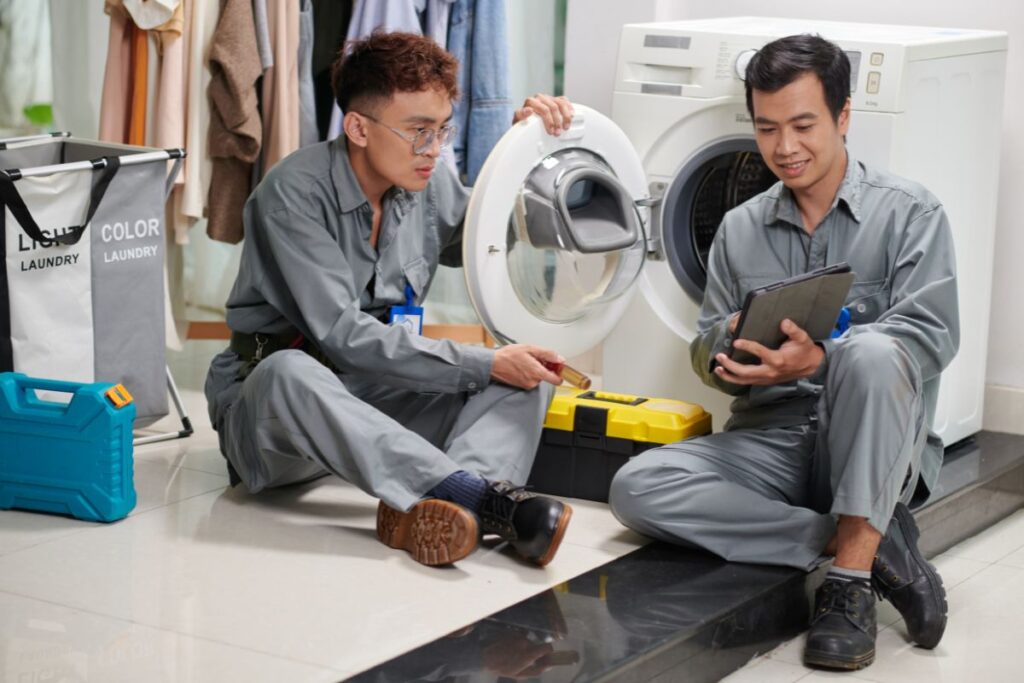
Your repair partner speaks on behalf of your brand every time a technician walks through a customer’s door. A poor service experience does not just reflect on the repair company, it reflects on you as the supplier. From brand reputation to after-sales service impact, the right partnership ensures that your product’s quality is matched by the quality of its support.
Customer satisfaction is closely tied to how quickly and professionally faults are resolved. Suppliers who invest in a capable, reliable repair partner are better positioned to retain customers, reduce complaints, and build long-term loyalty.
Core Capabilities Every Repair Partner Must Have
Before committing to any appliance repair partnership for suppliers, evaluate the provider’s foundational capabilities. These are non-negotiables that determine whether a repair partner can truly support your operations.
Certified and Trained Technicians
A repair partner should only deploy technicians who are certified and regularly trained on the latest appliance models and technologies. Certification ensures repairs are carried out to manufacturer standards, which is especially important when warranty claims are involved. Without this, suppliers risk voided warranties and liability issues.
Experience with Multiple Appliance Brands
Suppliers often carry a range of products across different brands and categories. A repair partner with cross-brand experience can handle a wider scope of service requests without the need for multiple vendors. This consolidation simplifies management and improves consistency in service delivery.
Access to Genuine Spare Parts
Using non-original parts can compromise appliance performance and shorten product lifespan. A competent repair partner must have reliable access to genuine spare parts so that repairs meet brand standards and customers receive the quality they expect. This also reduces the risk of repeat faults and unnecessary callbacks.
Operational Expectations
Beyond technical know-how, suppliers need a repair partner who can meet day-to-day operational demands efficiently and consistently.
Fast Turnaround Time (TAT)
Prolonged repair times frustrate customers and increase the risk of negative reviews. A strong repair partner should have defined turnaround time benchmarks for different appliance types and service categories. Suppliers should request historical TAT data before entering any formal agreement.
Clear Service Level Agreements (SLAs)
SLAs provide the structure and accountability that suppliers need to manage service quality. A well-drafted SLA should cover response times, repair completion targets, escalation procedures, and performance review schedules. Without documented SLAs, there is no measurable standard to hold a repair partner accountable.
Nationwide or Regional Coverage
For suppliers serving customers across multiple regions, coverage is a critical factor. A repair partner with a strong network of technicians across Singapore or the wider region ensures that service quality remains consistent regardless of the customer’s location. Gaps in coverage often result in long delays and unserved customers.
Technology and Reporting Capabilities
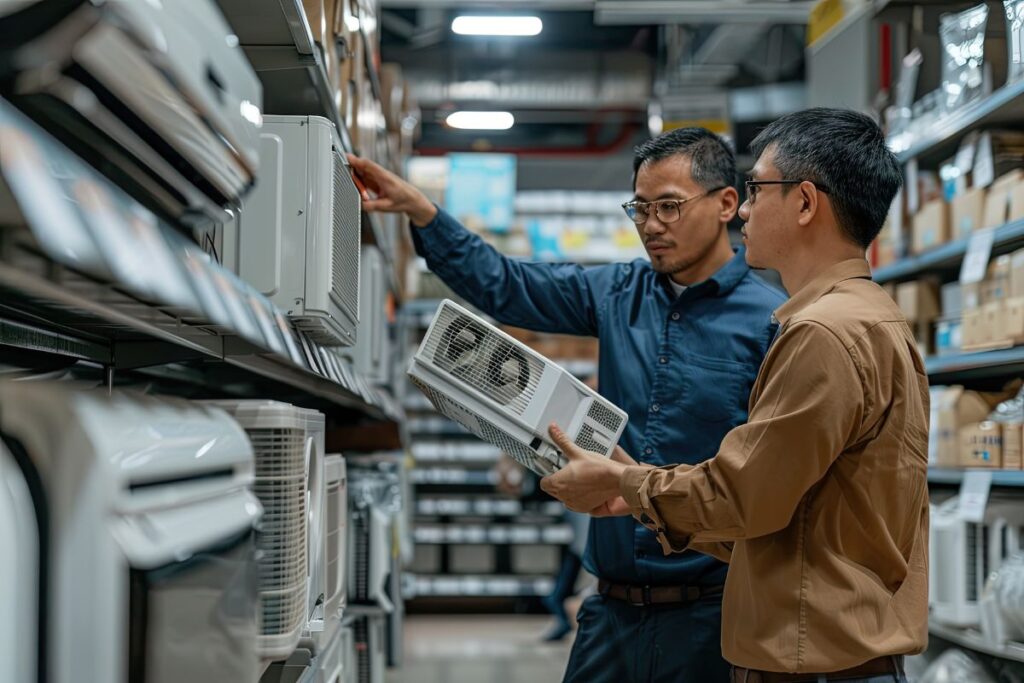
Modern appliance repair partnerships for suppliers should be supported by technology that enables visibility and data-driven decisions.
Repair Tracking Systems
Real-time repair tracking allows suppliers to monitor the status of each service case without relying on manual updates. This level of transparency reduces internal back-and-forth and enables proactive communication with end-customers. A repair partner without a digital tracking system is a liability in today’s service environment.
Transparent Reporting and Documentation
Suppliers require detailed records of completed repairs, parts used, technician notes, and customer sign-offs. Transparent documentation supports warranty claim processing and helps identify recurring faults across specific product lines. It also serves as a valuable feedback loop for product improvement.
Integration with Supplier Systems
Where possible, repair partner systems should be capable of integrating with the supplier’s own CRM, ERP, or customer service platforms. Seamless data flow reduces manual errors and speeds up claim processing. Suppliers should clarify integration capabilities early during the evaluation process.
Customer Service and Communication Standards
How a repair partner interacts with your customers is just as important as how they handle the repair itself.
End-customer handling must be professional, courteous, and aligned with your brand’s communication standards. Technicians should arrive on time, explain the repair clearly, and ensure the customer is satisfied before closing the case. Any deviation from this reflects poorly on the supplier.
Complaint resolution processes should be well-defined and swift. A repair partner must have an escalation framework that ensures unresolved complaints are addressed within a set timeframe. Suppliers should request to review complaint handling procedures and check if there are dedicated points of contact for escalated cases.
Scalability for Growing Supplier Needs
As your business grows, your repair partner must be able to grow with you. Whether it is handling a product launch surge or expanding into new regions, a scalable repair partner has the workforce, infrastructure, and processes to accommodate increased service volumes without a drop in quality. Suppliers should assess a repair partner’s capacity planning approach and track record in managing high-demand periods before committing to a long-term arrangement.
How DWSPL Meets Supplier Expectations

DWS Pte Ltd is an established appliance repair service provider in Singapore, serving both corporate and residential clients across a wide range of brands and appliance categories. With certified technicians, access to genuine spare parts, and a commitment to fast and reliable service, DWSPL is built to support the operational and after-sales needs of suppliers at every stage.
DWSPL’s structured approach to service delivery, backed by clear processes, transparent documentation, and professional customer handling, makes it a trusted appliance repair partnership for suppliers looking to enhance their after-sales offering. Whether you require high-volume repair management or multi-brand technical support, DWSPL has the capabilities to deliver. Contact DWSPL today to discuss a repair partnership that fits your business needs.
Frequently Asked Questions About Repair Partnership for Suppliers
What should I include in a repair service SLA?
A repair service SLA should include clearly defined response times, repair completion targets, escalation procedures for unresolved cases, performance review schedules, and penalties or remedies for missed targets. It should also outline communication standards and documentation requirements so both parties have a shared understanding of service expectations.
How do repair partners handle warranty claims?
Reputable repair partners manage warranty claims by verifying the product’s warranty status, using genuine parts for all covered repairs, and maintaining detailed documentation of each service case. This documentation is essential for filing claims with manufacturers and ensuring that customers receive the entitlements they are owed without unnecessary delays.
Can repair partners manage high service volumes?
Yes, provided they have the right workforce capacity, technician scheduling systems, and parts inventory in place. Suppliers should assess a repair partner’s ability to scale during peak demand periods, such as after product launches or promotional campaigns, and confirm that service quality is maintained even under high-volume conditions.
What KPIs should suppliers track?
Key performance indicators for an appliance repair partnership for suppliers include average turnaround time per repair, first-time fix rate, customer satisfaction scores, complaint resolution time, repeat fault rate, and SLA compliance percentage. Tracking these metrics regularly allows suppliers to identify service gaps and make informed decisions about their repair partnership.
